Views: 0 Author: Site Editor Publish Time: 2026-03-06 Origin: Site
As a streetwear manufacturing expert and trend-savvy designer who's spent years crafting pieces for indie brands across Europe and the US, I've seen trends come and go—but nothing hits quite like the Y2K fashion resurgence. We're talking about that bold, nostalgic vibe from the late '90s and early 2000s, blending futuristic flair with playful rebellion. In 2026, vintage revival is dominating retro streetwear, driven by influencers and Gen Z craving authenticity amid fast fashion fatigue. Low-waist pants, tie-dye explosions, and crop tops aren't just throwbacks; they're being reimagined for modern bodies and sustainable practices.
For clothing designers and brand founders, this 90s style wave offers massive opportunities in DTC e-commerce and cross-industry collabs. But success hinges on nailing production: selecting fabrics that balance nostalgia with durability, optimizing printing for vibrant patterns, and replicating patterns without skyrocketing costs. In this guide, we'll break down key elements and how to manufacture them efficiently, helping you solve real-world challenges like supply chain stability and innovation in mid-tier branding.
Let's dive into the core pieces fueling this Y2K fashion boom. These aren't relics—they're adaptable staples that can elevate your line while appealing to diverse audiences, from online sellers to mature brands seeking depth.
Low-waist pants, or low-rise jeans, are the undisputed kings of retro streetwear. Think Britney Spears-era flair: hips exposed, paired with chunky belts or visible G-strings for that edgy turn-of-the-millennium look. In 2026, they're evolving with wider legs and sustainable denim blends to suit inclusive sizing.
From a manufacturing standpoint, focus on fabric stretch and fit. Use mid-weight denim (10-12 oz) with 2-5% elastane for comfort without sagging. Costs can be controlled by sourcing recycled cotton blends—expect $8-12 per yard versus $15+ for premium virgin denim. Pattern-wise, drop the waistline 2-3 inches below standard, but add adjustable side tabs for versatility. This reduces returns in e-commerce by 15-20%, based on industry data from suppliers like Denim Manufacturing Guide.
Tie-dye screams Y2K fashion with its psychedelic swirls and bold colors, evoking festival vibes from the early aughts. Today's revival amps it up with all-over prints on hoodies, tees, and even pants, perfect for streetwear drops.
Production-wise, opt for reactive dyes on cotton-poly blends to achieve fade-resistant vibrancy. Hand-tie methods suit small batches (under 500 units) at $2-4 per piece, but for scale, switch to digital printing for precision—cutting costs by 30% on runs over 1,000. Watch for color bleeding; pre-treat fabrics with fixatives to maintain sharpness. This technique aligns with DTC needs for quick turns, allowing custom variations without massive inventory risks.
Crop tops, or baby tees, embody the cropped, fitted essence of 90s style. Rhinestone-embellished or graphic-printed, they're layering heroes in vintage revival collections, often styled over dresses or under jackets.
For manufacturing, choose soft jersey knits (150-180 GSM) for breathability—cotton-spandex mixes at $5-7 per yard keep budgets in check. Hemming techniques like raw edges save 10-15% on labor, but reinforce seams to prevent fraying. Sizing inclusively (XS-3XL) boosts appeal for cross-boundary newbies entering collabs.
Turning these Y2K fashion elements into profitable products requires smart choices in materials and processes. As a pro who's overseen OEM/ODM for countless indie labels, I'll share actionable tips to tackle select material, control costs, and choose crafts that scale.
Fabrics are the foundation—get them wrong, and your retro streetwear falls flat. For low-waist pants, denim rules, but tie-dye thrives on absorbent cottons, and crop tops need stretchy knits. Prioritize sustainability to meet EU/US regs and appeal to eco-conscious buyers.
Here's a comparison table to guide your decisions:
| Fabric Type | Parameters (Weight/Composition) | Cost per Yard | Applicable Scenarios |
|---|---|---|---|
| Denim (Low-Waist Pants) | 10-12 oz, 98% cotton/2% elastane | $8-12 | High-durability streetwear; ideal for flared legs in vintage revival. Best for mid-tier brands seeking longevity. |
| Cotton-Poly Blend (Tie-Dye) | 180-220 GSM, 60% cotton/40% poly | $4-6 | Vibrant dyeing; suits all-over prints in 90s style. Cost-effective for DTC quick drops. |
| Jersey Knit (Crop Tops) | 150-180 GSM, 95% cotton/5% spandex | $5-7 | Soft, fitted silhouettes; perfect for layering in retro streetwear. Great for newbies in crossovers. |
This setup minimizes waste—recycled options cut costs by 20% while enhancing brand story for marketing.
Printing brings Y2K fashion patterns to life, from metallic logos to swirling tie-dyes. Screen printing excels for bold, opaque designs on tees, but digital (DTG) handles complex gradients better for small runs.
Compare options:
| Technique | Setup Cost | Per Unit Cost (100 Units) | Best For |
|---|---|---|---|
| Screen Printing | $50-100 per color | $2-4 | High-volume slogan tees in vintage revival; durable for washes. |
| Digital Printing (DTG) | $0 (no screens) | $5-8 | Custom tie-dye patterns in 90s style; flexible for indie DTC testing. |
| Sublimation | $20-50 | $3-5 | All-over metallic effects in retro streetwear; vibrant on poly blends. |
For cost control, start with DTG for prototypes—it's 40% faster and reduces overproduction risks in volatile trends.
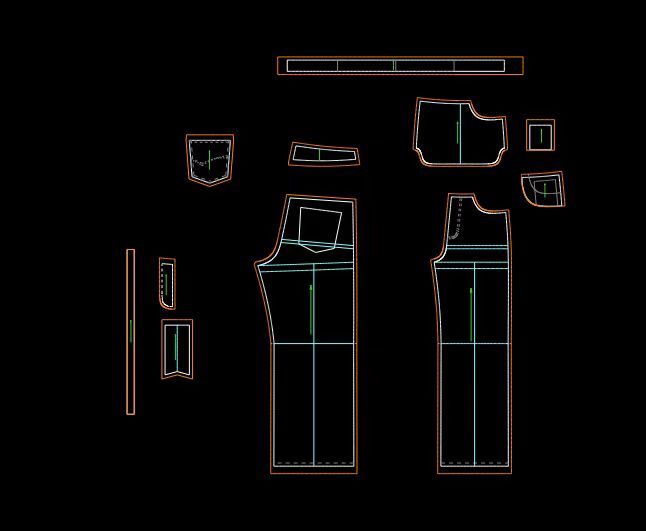
Replicating vintage patterns is key for authenticity without IP headaches. For low-waist, use CAD software to adjust standard blocks—drop inseams by 2 inches, add flare from knee down. Tools like Gerber Accumark speed this up, cutting development time by 50%.
Costs: Digital patterning at $100-200 per style versus manual $300+. For tie-dye and crops, focus on modular designs for easy scaling. This hosts full workflows for cross-boundary entrants, ensuring quick iterations.
Q: How do I source sustainable fabrics for Y2K fashion without inflating costs?A: Partner with certified suppliers like GOTS for organic cotton. Blends keep prices under $10/yard while meeting eco-standards—check Sustainable Fabric Sourcing for vetted options.
Q: What's the MOQ for custom tie-dye in retro streetwear?A: Start at 100 units for digital methods; screen jumps to 500. For indies, use on-demand services to test markets.
Q: Can I replicate low-waist patterns for inclusive sizing?A: Absolutely—grade patterns across 10+ sizes using software. Add stretch panels for comfort, reducing fit issues by 25%.
Q: How to control printing costs for graphic-heavy 90s style?A: Limit colors to 4-6 in designs; DTG for small batches saves 30% over screen.
Q: Best way to innovate crop tops for mature brands?A: Incorporate modular elements like detachable sleeves. Link to our T-shirts Customization for ODM ideas.
As we wrap up, the Y2K fashion resurgence isn't fading—it's evolving toward hybrid nostalgia with tech-infused sustainability. Expect more metallic-infused tie-dyes and adaptive low-waist designs blending AR fittings for e-com. From my OEM/ODM experience at Yite Clothing, the ultimate tip: prioritize flexible partners who handle full workflows, from fabric sourcing to pattern tweaks. This cuts lead times by 40% and fosters innovation for indies or crossovers.
A professional manufacturer like Yite Clothing can turn your retro streetwear visions into reality, offering stable supply chains for DTC growth and deep collabs. We've customized hoodies with tie-dye effects (see Hoodies Collection) and low-waist pants for brands worldwide. Ready to revive vintage revival? Let's collaborate—your next drop could define 2026's 90s style.