Views: 0 Author: Site Editor Publish Time: 2026-03-09 Origin: Site
Yo, what's up? As a streetwear manufacturing vet who's designed drops for indie labels across LA and NYC, I've seen countless startup brands wrestle with the big question: go custom shorts or stick with stock shorts? If you're a fresh-faced entrepreneur launching a DTC streetwear line or scaling a small-batch operation, this choice hits hard on your wallet, vibe, and growth. Custom shorts let you dial in unique fabrics, fits, and prints that scream your brand's DNA—think recycled poly blends with graffiti-inspired graphics. On the flip, stock shorts are ready-made wholesale blanks you can relabel, slashing upfront hassle but risking that "everyone's got 'em" feel. We're diving data-deep into costs, MOQ (minimum order quantity), inventory risk, and production cycles to help you decide. Private label customization vs. straight wholesale? Let's break it down practically, no fluff.
First off, understand the basics: Custom shorts involve OEM/ODM processes where you spec everything from thread count to pocket placement, ideal for brands chasing exclusivity. Stock shorts, aka wholesale ready-mades, are pre-produced in bulk by suppliers, letting you slap on your logo quick. For small-scale procurement, this matters big time—90% of startups flop due to cash flow crunches from poor inventory calls . Aim for strategies that balance experimentation with low risk.
Let's talk dollars, because as a designer who's optimized runs for bootstrapped crews, I know cost control is king. Custom shorts typically rack up higher per-unit prices due to setup fees for patterns, sampling, and small-batch production. Expect $8–$15 per piece for low MOQ orders (50–200 units), but that drops to $3–$6 if you scale to 1,000+ . Factor in surcharges for low volumes—up to 30% extra—but it's worth it if you're testing market fit without drowning in dead stock.
Stock shorts, meanwhile, shine on upfront savings: wholesale lots often hit $3–$5 per unit in bulk (500+ MOQ), with no design dev costs . But beware hidden hits like storage fees ($200–$500/month) and markdowns on unsold inventory, which can eat 20–30% of profits if trends shift . For startups, low MOQ stock options (as low as 10–50 pieces) minimize ties-up capital, but quality might lag—think generic cotton blends vs. your dream tech fabrics.
To visualize, here's a data-driven comparison table based on 2025–2026 industry averages from apparel sourcing guides:
| Aspect | Custom Shorts | Stock Shorts | Applicable Scenarios |
|---|---|---|---|
| Per-Unit Cost (50 units) | $10–$15 | $4–$7 | Custom for premium branding; stock for quick flips. |
| Setup Fees | $500–$1,000 (patterns/samples) | $0–$200 (relabeling) | Startups avoid setups with stock to preserve cash. |
| Total Cost (200 units) | $2,500–$3,500 | $1,000–$1,800 | Custom suits niche markets; stock for broad appeal. |
| Economies of Scale | High at 500+ units (drops to $5/unit) | Immediate at bulk buys | Scale custom once validated; stock for initial launches. |
This table pulls from real-world data where custom paths offer long-term savings through better sell-through rates (up to 40% higher for unique designs) . Pro tip: Negotiate MOQ with factories early—I've cut deals by grouping colors or fabrics .
Managing Inventory Risk: Strategies for Startup Brands
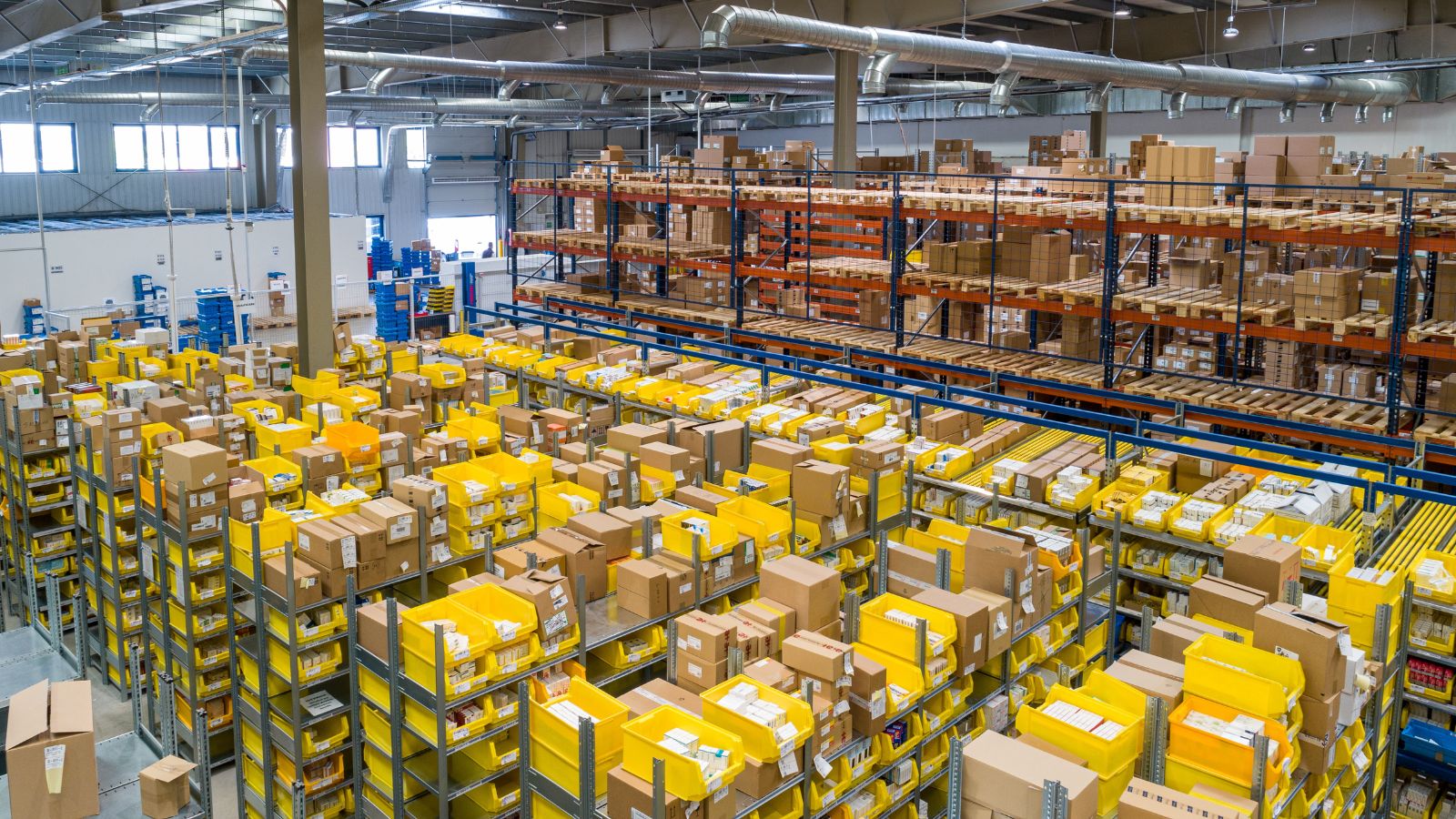
Inventory risk? That's the silent killer for small-scale brands—overstock ties up funds, understock loses sales. In my experience crafting streetwear lines, custom shorts crush this by going make-to-order: produce only after validating demand via pre-sales or drops, slashing waste to near-zero . No massive warehouses needed; just smart forecasting. But it amps risk if designs flop—sampling alone can cost $300–$500, and excess fabric scraps add up.
Stock shorts flip the script: lower entry but higher inventory risk from bulk buys. Picture stacking 1,000 units; if only 600 sell, you're stuck with $2,000 in dead stock, plus storage eating cash flow . Startups benefit from low MOQ wholesalers (50–100 units), reducing exposure by 50–70% compared to traditional bulk . Private label tweaks on stock (like custom tags) add uniqueness without full custom's gamble.
Data shows: 90% of apparel startups struggle with inventory mismanagement . Mitigate with tools like pooled orders—combine with other brands for lower MOQ—or use data analytics for demand prediction. For streetwear, where trends turn fast, stock's quick access wins short-term, but custom's flexibility rules for longevity.
Streetwear thrives on vibe—your shorts gotta tell a story. Custom shorts deliver max uniqueness: tailor fits for urban skaters, eco-fabrics for conscious crews, or bold prints that no one's replicating. This builds loyalty; data from fashion reports shows custom lines see 25–40% higher repeat buys due to perceived exclusivity . For private label fans, it's like owning the recipe—full control over materials, from moisture-wicking poly to organic cotton, elevating your brand above generics.
Stock shorts? They're wholesale basics—efficient but bland. Relabeling adds your logo, but competitors might snag the same blanks, diluting your edge. Great for testing waters with small procurement, but lacks that "one-of-one" punch. In a saturated market, uniqueness drives premiums: custom pieces retail 20–50% higher .
Link this to pro resources: Check out our guide on custom apparel design trends for more inspo . Or dive into private label strategies to blend both worlds .
Timing is everything in streetwear—miss a season, miss the wave. Custom shorts production cycles stretch 4–12 weeks: sampling (2–4 weeks), fabric sourcing (1–3 weeks), bulk run (3–5 weeks) . Delays from revisions or supply chains can spike to 16 weeks, but it's customizable for just-in-time drops, cutting inventory risk.
Stock shorts? Instant gratification: order today, ship tomorrow if in warehouse. Cycles as short as 1–2 weeks including relabeling, perfect for small-scale procurement and rapid testing . Drawback: limited options if stock runs low, forcing compromises on colors or sizes.
Comparison table for clarity:
| Aspect | Custom Shorts | Stock Shorts | Applicable Scenarios |
|---|---|---|---|
| Lead Time | 4–12 weeks | 1–2 weeks | Custom for planned collections; stock for pop-ups. |
| Flexibility | High (revisions possible) | Low (dependent on availability) | Startups use stock for speed, custom for precision. |
| Scalability | Builds with volume | Immediate but capped by supplier stock | Scale custom post-validation to avoid bottlenecks. |
| Risk Factors | Delays in sampling | Stockouts during peaks | Buffer with hybrid approaches. |
From my factory floors, I've shaved weeks by pre-approving fabrics—key for startups .
Q: What's a realistic MOQ for startup custom shorts?A: For low-risk entry, aim for 50–200 units with flexible manufacturers. Negotiate by combining styles .
Q: How do I reduce inventory risk with stock shorts?A: Start small (10–50 pieces), use sales data to reorder, and avoid overbuying trends .
Q: Is private label better than wholesale for brand growth?A: Private label adds uniqueness to stock, bridging to full custom as you scale .
Q: Can I mix custom and stock in one line?A: Absolutely—test with stock, then customize winners to minimize costs .
Q: What fabrics suit custom shorts for streetwear?A: Go for breathable blends like cotton-poly; check fabric selection tips .
Wrapping this up, if you're an indie brand boss or cross-industry newbie eyeing streetwear, remember: custom shorts edge out for long-game uniqueness and controlled inventory risk, while stock shorts nail speed and low MOQ for quick wins. Based on years in OEM/ODM at spots like yiteclothing, the trend's shifting to hybrid models—start stock, pivot custom as data rolls in. Ultimate tip: Partner with pros who handle full workflows, slashing your risks. A solid manufacturer like yiteclothing can turn your vision into scalable drops, from low-MOQ customs to inventory-smart stock tweaks. Hit up their OEM services for that depth—it's how you build without breaking. Stay fresh, stay strategic.