Views: 0 Author: Site Editor Publish Time: 2026-03-02 Origin: Site
Hey there, fellow streetwear hustlers—whether you're an indie brand owner slinging DTC drops online, a mid-tier label chasing innovative collabs, or a crossover newbie dipping into custom tees for corporate gigs, let's talk acid wash. As a veteran in streetwear manufacturing and trend design, I've seen how this garment washing technique can transform a basic cotton tee into a nostalgic powerhouse that screams vintage finish. Acid wash isn't just a fade—it's a deliberate distress process that gives your distressed T-shirts that worn-in, rebellious edge consumers crave.
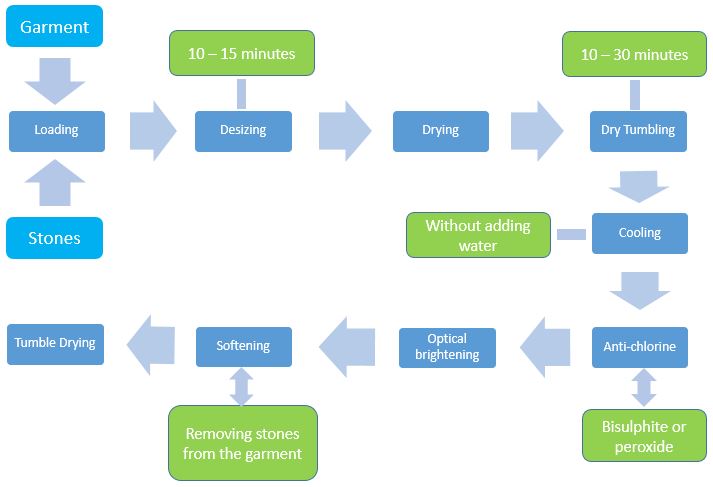
The principle behind acid wash? It's all about controlled chemical erosion. Typically using chlorine-based solutions (like potassium permanganate or bleach) soaked into pumice stones or sprayed directly, the acid breaks down dyes and fibers for those high-contrast, mottled patterns. Unlike basic rinsing, this garment washing method targets indigo or pigmented fabrics, creating irregular fades that mimic years of wear. For cotton T-shirts, it's ideal because it softens the material while adding texture, boosting comfort and appeal. But here's the real talk: choosing the right process saves you from costly mistakes. Opt for 100% cotton over blends to avoid uneven results—polyester resists the chemicals, leading to patchy disasters that spike reject rates by 20-30%.
Cost-wise, acid wash runs $2-5 per unit in bulk, depending on intensity, but factor in water usage and eco-fees; modern low-impact variants cut costs by 15%. For quick-turnaround DTC brands, this means faster sell-outs if you nail the vintage look without overpaying for trials.
Diving deeper, let's break down acid wash against its rivals: stone wash and enzyme wash. Each garment washing type suits different vibes and budgets, solving pain points like fabric durability or production speed for your streetwear line.
Acid wash delivers bold, streaky fades with chemicals and abrasives, perfect for edgy, 80s-inspired distressed T-shirts. Stone wash uses pumice stones for a uniform, abraded texture—great for heavy cottons but rougher on seams. Enzyme wash, the eco-hero, employs biological cellulase to gently soften and fade, ideal for lightweight tees without harsh chems.
To make your choice crystal clear, here's a comparison table based on real production params:
| Aspect | Acid Wash | Stone Wash | Enzyme Wash |
|---|---|---|---|
| Process Principle | Chemical erosion with chlorine/permanganate on stones | Physical abrasion with pumice stones | Biological breakdown with cellulase enzymes |
| Visual Effect | High-contrast mottled fades, irregular patterns | Even, worn texture with fraying | Soft, natural fade with minimal distress |
| Cost per Unit (Bulk) | $3-5 | $2-4 | $1.5-3 |
| Environmental Impact | High (chemical runoff) | Medium (stone waste) | Low (biodegradable) |
| Applicable Scenarios | Vintage finish for bold streetwear, mid-end brands seeking unique collabs | Durable denim-like tees for everyday wear, DTC basics | Soft, comfy options for crossovers or sensitive skins, innovation-focused labels |
| Fabric Impact | Softens but can weaken fibers if overdone | Adds texture, potential for holes | Gentle softening, preserves strength |
This table highlights why acid wash shines for visual drama but demands precise control to avoid over-bleaching, which could hike costs by 10-15% in reworks. For mature brands, blending enzyme with acid cuts chems while keeping that distressed T-shirt edge.
Now, the meat: how these washes hit your fabrics. For streetwear designers, picking the wrong material tanks your line—think shrinkage or color loss eating into margins.
Acid wash aggressively strips dyes, softening cotton by breaking surface fibers, but it can reduce tensile strength by 10-20% if not neutralized properly. Opt for ring-spun cotton (180-250 GSM) to balance durability and that plush vintage finish; heavier weights resist tearing during the tumble. Blends? Avoid high poly—acid clings unevenly, causing blotches that force 15% more QC time.
Stone wash abrades mechanically, adding micro-tears for authentic distress but risking pilling on lighter fabrics. Enzyme wash is gentler, removing fuzz without compromising integrity, making it cost-effective for organic cottons at $0.50 less per unit in chems.
Control costs by pre-testing samples: A $100 lab run prevents $1,000 in batch fails. For online DTC folks, this ensures stable supply chains—pair with custom T-shirt manufacturing from pros like us at Yite Clothing for seamless integration. And for innovation? Hybrid washes like enzyme-acid combos trend up, cutting water use by 30% for eco-conscious mid-end brands.
Styles? Acid wash opens doors to endless riffs. Classic mottled blacks for urban edge, or ombre fades blending into graphics—perfect for distressed T-shirts that pop in collabs.
For crossovers, think oversized boxy fits with raw hems; the wash enhances that lived-in vibe without extra distressing costs. Mid-end brands, layer it with DTG prints—the fade frames designs boldly. Cost hack: Batch similar colors to slash setup fees by 20%.
Variations include snow wash (lighter chems for subtle snow-like spots) or marble wash for swirling patterns. These solve aesthetic dilemmas, like making basics premium without jacking prices. Check out our heavyweight T-shirt options for base pieces that hold up post-wash.
Sourcing acid wash tees? Prioritize suppliers with in-house washing to cut lead times—aim for 4-6 weeks for DTC stability. Vet for certifications like GOTS for eco-acid variants, dodging tariffs that add 5-10% to costs.
Quality control points: Inspect for even fades (no over-bleached spots), seam integrity (acid can fray), and pH neutrality (residual chems cause yellowing). Use AQL 2.5 standards—random sample 10% of batches. For newbies in crossovers, full-process hosting from OEM/ODM partners like Yite ensures zero headaches.
Pro tip: Negotiate MOQs down to 200 units for tests; this controls costs while scaling innovations.
Q: What's the difference between acid wash and bleach wash?
A: Acid wash uses targeted chems with abrasives for patterns; bleach is uniform fading—cheaper but less vintage.
Q: Can acid wash be eco-friendly?
A: Yes, with bio-alternatives like ozone washing, reducing water by 50%.
Q: How to maintain distressed T-shirts?
A: Cold wash inside-out; avoids further fading, extending life by 30%.
Q: Ideal fabric weight for acid wash?
A: 200-300 GSM cotton—balances softness and durability.
Q: Costs for small runs?
A: $4-7/unit; bulk drops to $2-4.
Wrapping up, from my perch in OEM/ODM at Yite Clothing, acid wash is evolving—trends lean toward sustainable hybrids like nano-bubble tech for lower impact, predicting 20% market growth by 2027. Ultimate advice: Don't DIY; partner with experts for precision that turns ideas into hits. Whether you're a DTC indie needing quick chains, a mature brand innovating, or a collab newbie wanting full hosting, a pro manufacturer like Yite handles the chaos, from material picks to QC, letting you focus on design. Dive into our streetwear manufacturing guide for more—let's craft your next vintage finish masterpiece.